About Antistatic Poly Bags
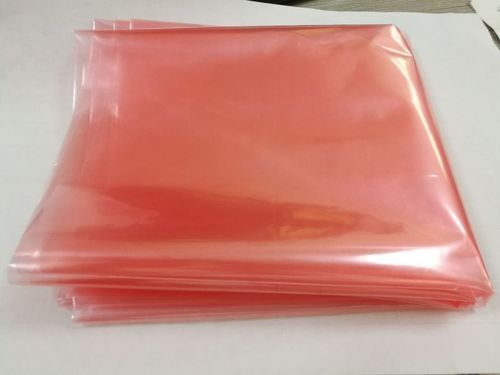
Antistatic bags are engineered to prevent electrostatic discharge (ESD) that can harm delicate electronic and industrial parts. Made from premium antistatic materials, these bags safely dissipate static charges and provide reliable protection for PCBs, semiconductors, and precision components. Ideal for safe packaging, handling, and transportation, they are available in a range of sizes and thicknesses to suit specific requirements.
Electrostatic Discharge ProtectionAntistatic poly bags are engineered to shield sensitive electronic parts from electrostatic discharge, ensuring safe handling and storage. The high-quality material and customized sizes make them ideal for both small and large electronic assemblies, contributing to stable and secure operations in various industries.
Customizable and Durable DesignAvailable in sizes tailored to specific client requirements, these bags exceed 50 micron in thickness. Their soft construction makes them suitable for use with delicate components, offering flexibility without compromising on protection during shipping or assembly processes.
FAQ's of Antistatic Poly Bags:
Q: How do antistatic poly bags protect electronic components?
A: Antistatic poly bags create a protective barrier that dissipates static electricity, minimizing the risk of electrostatic discharge that can damage sensitive electronic parts such as PCBs and semiconductors.
Q: What types of items are these antistatic bags best used for?
A: These bags are specifically designed for safely storing and transporting electronic components, printed circuit boards, semiconductors, and any other items that are prone to static damage.
Q: When should antistatic bags be used in the handling process?
A: Antistatic bags should be used at any stage where static-sensitive parts are exposed, including during storage, handling, transportation, and assembly, to consistently prevent ESD-related damage.
Q: Where are these antistatic poly bags commonly utilized?
A: They are widely used in manufacturing facilities, assembly lines, and electronics industries for export and domestic applications, particularly in environments where electrostatic discharge poses a risk.
Q: What is the manufacturing process for customizing these bags?
A: The manufacturing process involves selecting high-quality antistatic polymers, forming bags to customer-specified sizes, and ensuring the finished product meets or exceeds 50 micron thickness to guarantee durability and protective properties.
Q: What are the main benefits of using soft, thick antistatic bags?
A: The combination of a soft texture and robust thickness ensures delicate components are shielded from both mechanical and static-related damage, enhancing safety throughout the supply chain.





 Send Inquiry

 Send Inquiry
 English
 Spanish
 French
 German
 Italian
 Chinese (Simplified)
 Japanese
 Korean
 Arabic
 Portuguese